

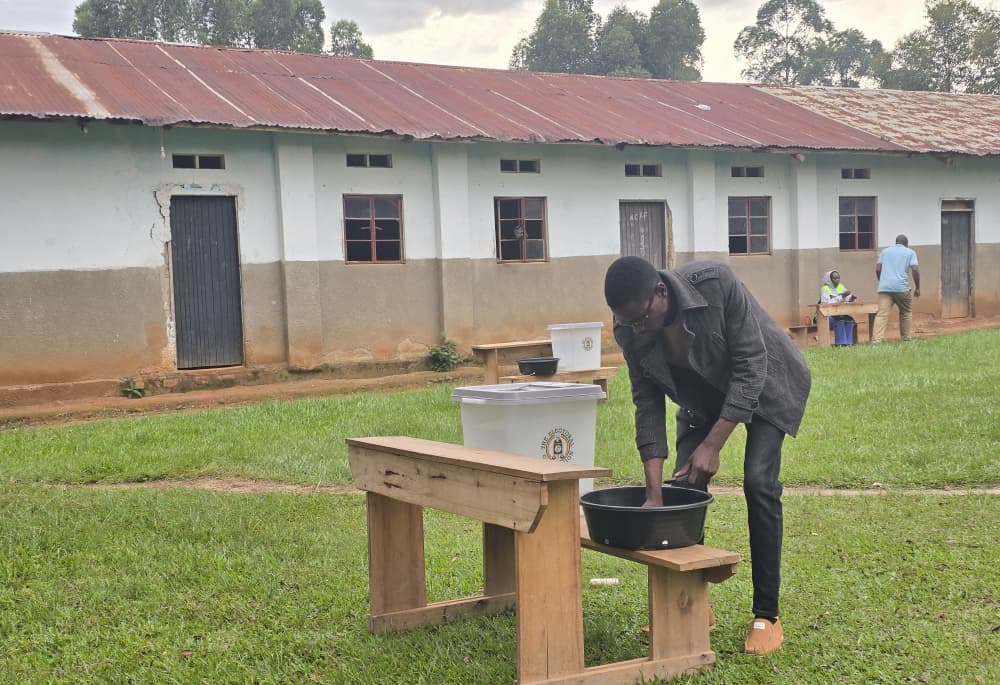
The 2026 election cycle in Ntungamo District has laid bare the high cost of winning political office, with campaign agents emerging as a critical yet costly component of electoral strategy.
Candidates deployed hundreds of agents across the district, each requiring daily facilitation, transport, and welfare, making campaigns an increasingly cash-driven affair.
“With 812 polling stations in the district, having around three agents per station paying them at least Shs10,000 per day pushes campaign costs to nearly Shs40 million,” said Asuman Kigongo, an official agent for LC5 chairperson candidate Samuel Rwakigoba.
Political actors say the scale of operations has made elections expensive ventures that only financially prepared candidates can sustain.
“A campaign is very expensive. There are so many hidden costs you might not anticipate. To campaign properly, you must be financially prepared and have stable income sources. The budget can easily run into hundreds of millions or even over a billion shillings,” said James Hunter Tukahirwa, MP-elect for Kajara County.
Shifting voter expectations have also increased costs. Many voters now prioritise immediate personal benefits over past service delivery or future development plans, forcing candidates to factor in extra facilitation for mobilisation.
“The expectations from the electorate are very high. Even paying an agent Shs10,000 for a day can feel insufficient. Politics has become expensive because voters often focus on personal gain rather than what the candidate has already achieved or plans to do,” Kigongo said.
Candidates noted that while some agents remained committed to ideology, others shifted allegiance in search of financial gain.
“In the political season, you must choose your agents carefully. Some seek money, others are genuine supporters. I maintained most of my agents throughout the campaign, though a few—four out of 500—shifted allegiance,” Tukahirwa said.
Gerard Karuhanga, MP-elect for Ntungamo Municipality, emphasised the importance of manifesto-based campaigning amid financial demands.
“In elections, there are all sorts of demands, but we were cautious. The law doesn’t allow us to dish out money, so we focused on our manifesto commitments. My track record helped convince voters to concentrate on development promises, which made a difference,” Karuhanga said.
With residual elections scheduled for February 17 to address polling stations that experienced ballot mispackaging during sub-county chairperson elections, attention is now turning to campaign agents.
For many, election work has become a near full-time source of income during the political season.
